Starting a home addition, a driveway replacement, or a new patio in the Twin Cities often means heavy equipment working within a few feet of mature trees that took decades to grow. Protecting those trees during construction is the difference between a finished project with shade still intact and a tree that looks fine for two years, then declines and has to come down anyway.
What actually damages a tree during construction
Soil compaction, root cuts, and trunk wounds cause the most tree loss on residential job sites, and all three are easy to cause without anyone noticing at the time. A single pass from a skid steer or dump truck over a tree’s root zone compacts the soil enough to choke off oxygen and water to the roots, and the tree may not show visible stress until the following growing season. Trenching for a new water line, grading for a foundation, or cutting a new driveway edge often severs structural roots within a few feet of the trunk, which both destabilizes the tree and starves it. Equipment and material staging against the trunk or low branches wounds the bark, and an open wound is an entry point for decay fungi that can take years to show on the outside.
Which trees are worth protecting, and which are not
A tree worth protecting through a construction project is one in reasonably good health, with a trunk diameter and canopy that would take 15 to 30 years to replace, positioned where it will not conflict with the final grade, foundation, or utility lines once the project is done. A certified arborist consultation before excavation starts and flag which trees have the structure and health to survive disturbance and which ones are already declining or are growing too close to the planned footprint to save. That walkthrough, done before the general contractor breaks ground, is the single highest-leverage step in the whole process because it is far cheaper to remove a tree on purpose in week one than to lose one by accident in month four.
How to set up a tree protection zone
The tree protection zone, often shortened to TPZ, is the ground area around a tree that has to stay free of equipment, material storage, and grade changes for the life of the project.
A workable rule for most residential sites: set the fenced protection radius at roughly one foot of distance for every inch of trunk diameter measured at chest height. A tree with an 18-inch trunk gets an 18-foot radius wherever the site layout allows it.
Inside that fence line:
– No equipment parking, material staging, or foot traffic that is not required tree care
– No grade change, cutting, or filling without a plan reviewed against the root zone
– No trenching for utilities without hand-digging or boring under major roots instead of cutting through them
– Chain-link or orange construction fencing installed before the first piece of equipment arrives on site, not after excavation starts
Comparison: construction with a tree protection plan vs. without one
| With a tree protection plan | Without one | |
|---|---|---|
| Root damage | Limited to planned, reviewed cuts | Unplanned trenching and grading cuts |
| Soil compaction | Fenced zone keeps equipment off root area | Equipment and material traffic crosses root zone repeatedly |
| Decline timeline | Tree typically shows no stress | Decline often appears 1 to 3 years later, after the warranty period |
| Cost if a tree fails anyway | Documented, defensible decision already made | Unplanned removal plus grading repair, often during a later phase |
| Property value impact | Mature trees intact | Canopy loss affects curb appeal and shade |
Who should be involved before the first day of excavation
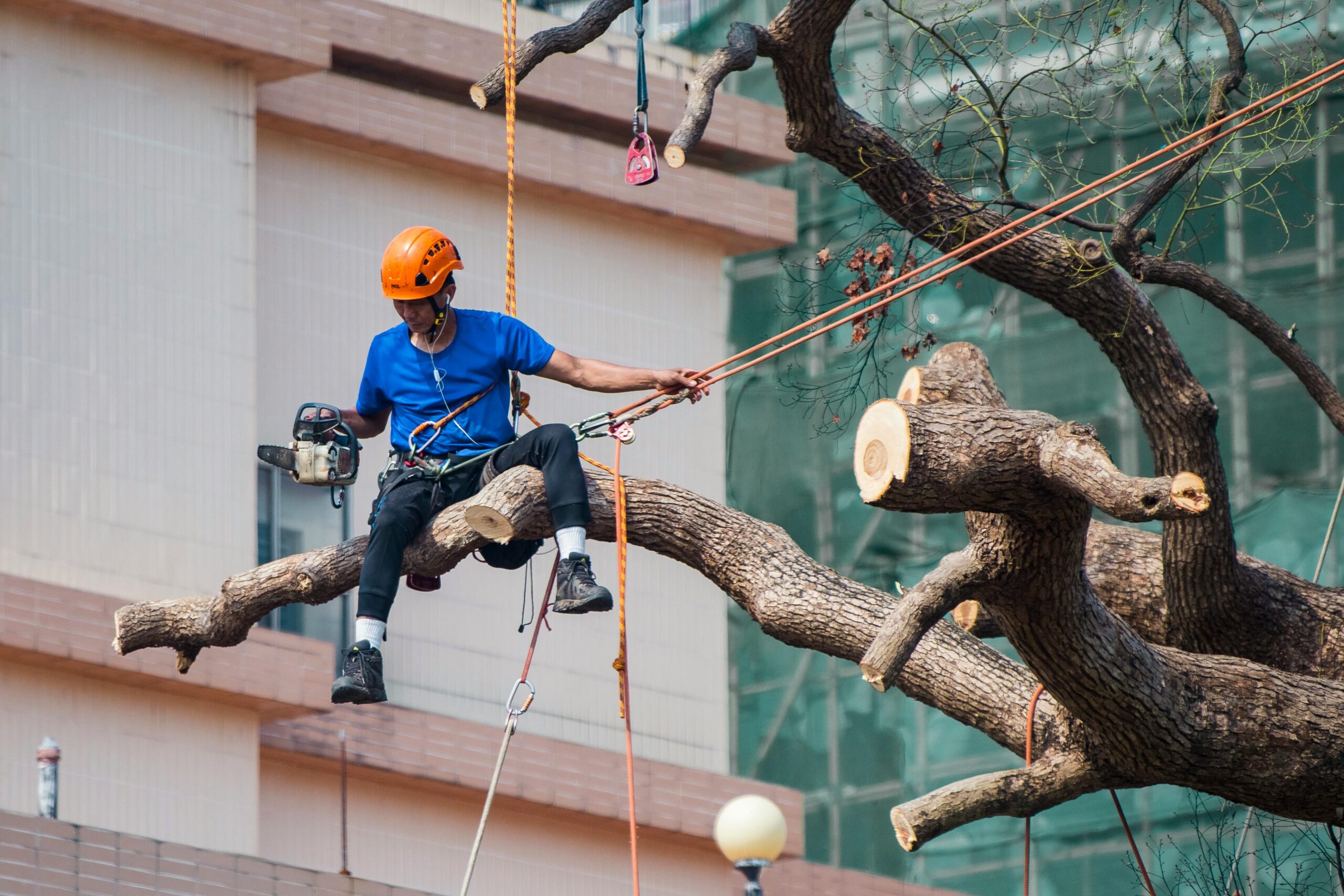
The general contractor, the excavator, and the tree care provider should walk the site together before permits are pulled, not after. A short pre-construction consultation gets you a written map of which trees stay, where the protection fencing goes, where any necessary root pruning will happen (cut cleanly by hand, not torn by a trencher), and a plan for watering trees that lose canopy or root mass during the build. For larger remodels or new construction in established neighborhoods like Edina, Wayzata, and St. Louis Park, this is also the point to flag any tree removal permit requirements with the city before the contractor’s schedule depends on it.
Frequently asked questions
How close can construction equipment safely get to a mature tree?
Equipment should stay outside the fenced tree protection zone entirely, roughly one foot of radius for every inch of trunk diameter. Getting closer than that risks both root damage from soil compaction and trunk wounds from accidental contact.
Can a tree recover after its roots are cut during construction?
Often yes, if the cut is clean, limited to a smaller portion of the root system, and made intentionally rather than torn by equipment. A tree that loses a large share of its root system on one side, or has roots crushed rather than cut, has a much lower chance of recovering.
Does a construction tree protection plan cost extra?
A pre-construction arborist consultation and fencing installation is a small cost compared to removing and replacing a mature tree later, which often runs into thousands of dollars once stump grinding, grading repair, and a replacement tree are added in.
Do I need a permit to remove a tree before construction in the Twin Cities?
It depends on the city and the tree’s size and species; several Hennepin County cities require a permit for removing a larger tree even on private property. Check with the city before removal, and have your tree care provider confirm whether the tree in question is regulated.
What happens if a tree is damaged partway through a project?
Stop work in that area and have a certified arborist assess it immediately. Some damage, especially minor root cuts or surface bark wounds, can be managed with watering and monitoring; trunk-girdling damage or major root loss often means the tree will decline regardless of what is done afterward, and planning its removal early avoids a bigger problem mid-project.
Dynasty Tree Experts provides pre-construction tree assessments, protection zone planning, and root pruning for homeowners and contractors across Minneapolis, Minnetonka, Wayzata, Edina, St. Louis Park, Maple Grove, Brooklyn Park, Crystal, New Hope, and Robbinsdale. Contact Dynasty Tree Experts or call (763) 301-9185 before the first piece of equipment arrives on site.