Commercial properties in the Twin Cities carry tree risk that a single-family homeowner never has to think about: dozens of mature trees over parking lots, clubhouses, playgrounds and walking paths, shared liability across an HOA board or management company, and an insurance carrier that wants proof the risk was managed, not just mowed around. Dynasty Tree Experts works with HOAs, property management companies and commercial owners across Minneapolis, Minnetonka, Wayzata, Edina, St. Louis Park, Maple Grove, Brooklyn Park, Crystal, New Hope and Robbinsdale to put a documented plan behind every tree on a shared property, not a reaction after a limb comes down.
What does commercial tree risk management actually include?
It is a written inventory of every significant tree on the property, a risk rating for each one, and a maintenance schedule built around that rating, not a one-time cleanup. A typical engagement for an HOA or property manager covers a walk of the full property, a tagged list of trees by location and species, a hazard note on any tree showing decay, lean, root damage or dead wood, and a maintenance calendar that spreads the work (and the cost) across the year instead of one large bill after a storm.
That written inventory is also what a board hands to its insurance carrier or to a resident who asks why a tree was or was not removed. Verbal “we checked it last year” does not hold up in a claim; a dated inventory with photos does.
Who is actually liable when a tree on HOA or rental property fails?
Minnesota premises liability generally follows who had control of the tree and whether the danger was reasonably foreseeable. An HOA or a property management company that owns or maintains the common area is typically the party exposed, which is why most master insurance policies and management contracts require documented, licensed tree maintenance rather than ad hoc work. A signed service agreement with a licensed, insured contractor, kept on file alongside the inventory, is the paper trail that protects the association if a claim is ever filed.
How often should a commercial or HOA property get a tree risk assessment?
Once a year for most Twin Cities properties, and after any major wind or ice event regardless of the calendar. A property with a lot of mature oak, ash or cottonwood along parking areas, playgrounds or walking paths, or anywhere within striking distance of a building, benefits from a spring assessment before leaf-out and a fall check before the first heavy snow load.
| Property type | Typical tree count | Recommended cycle | Main exposure |
|---|---|---|---|
| Small HOA townhome association | 20-60 trees | Annual, plus storm checks | Shared walkways, parking, siding |
| Apartment/multifamily complex | 50-150 trees | Annual, split by zone | Playgrounds, pools, resident parking |
| Retail or office park | 15-50 trees | Annual | Signage sightlines, storefront, lot lighting |
| Large HOA or planned community | 150+ trees | Semi-annual by section | Common areas, trails, detention ponds |
What does a property manager need from a tree company before signing a contract?
A certificate of insurance naming the association or management company as an additional insured, proof of workers’ compensation coverage, and a scope of work in writing before any crew is on site. Tree work around occupied buildings, parking structures and resident foot traffic carries real risk, and a property manager who skips the paperwork step is the one who answers for it later if something goes wrong.
Dynasty Tree Experts carries the coverage commercial clients ask for and provides a written scope and a certificate of insurance before any crew arrives, the same standard we would want if we managed the property ourselves.
What does the work itself look like once a hazard is found?
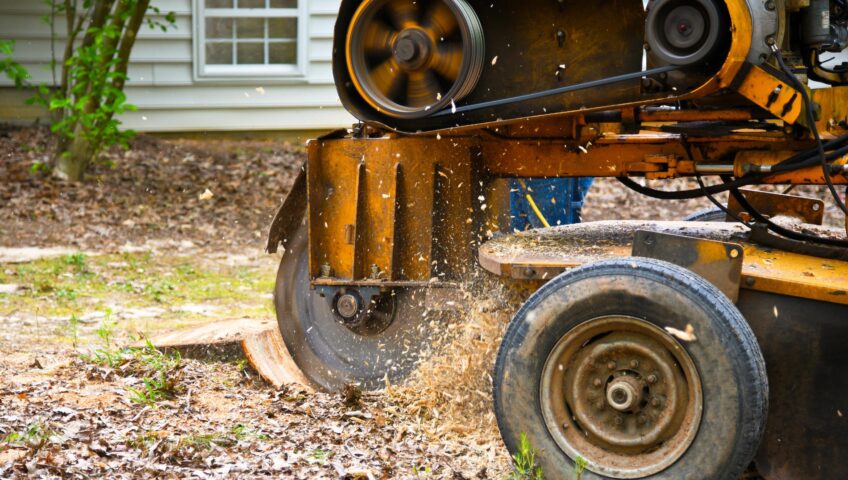
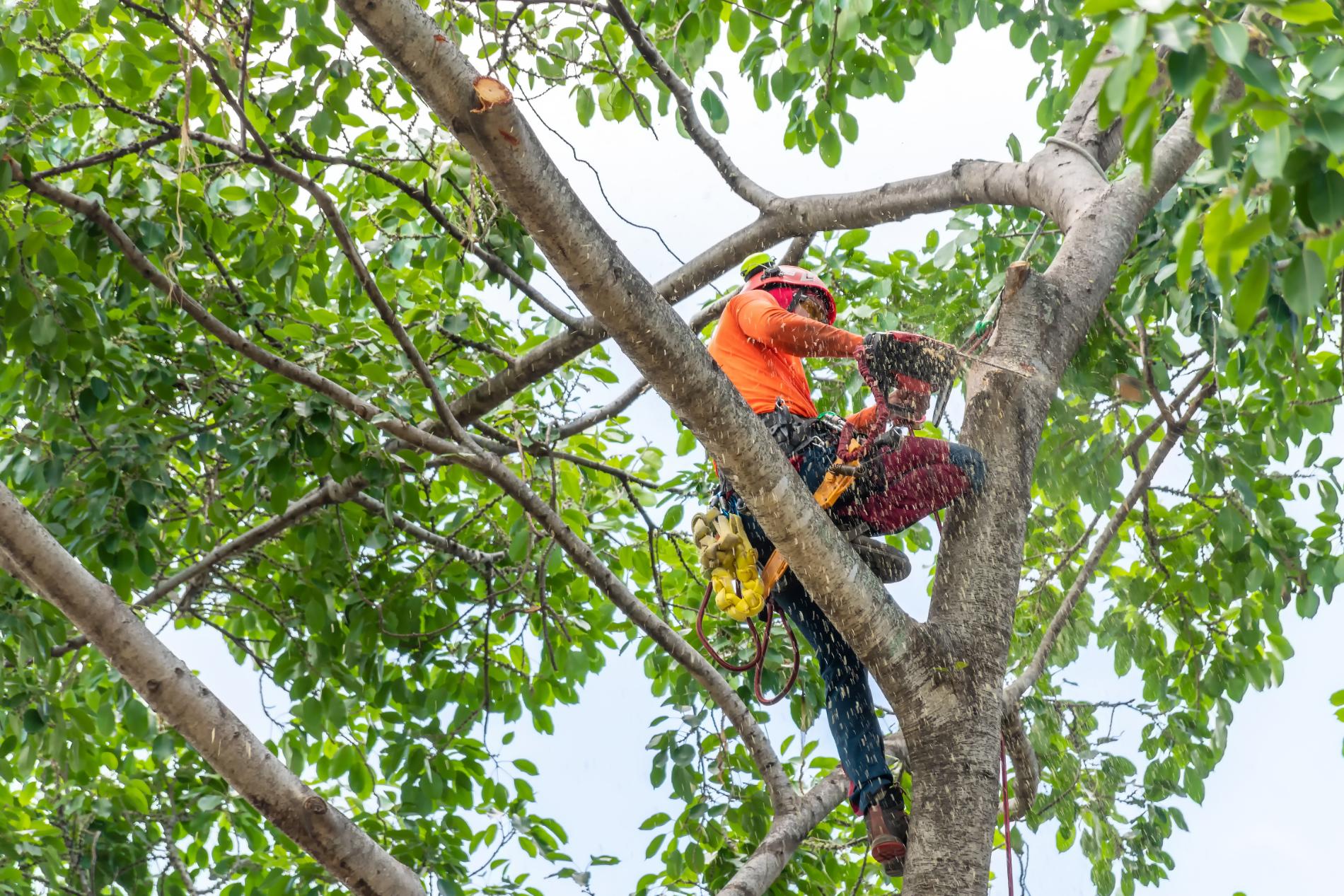
It depends on what the inventory turns up. A tree with early decay or deadwood over a walking path often just needs crown cleaning and deadwood removal. A tree with significant lean, root plate lift or a split trunk near a building or parking area is a removal candidate, done on the schedule that causes the least disruption to residents and tenants, often early morning or a planned weekend window the property manager sets in advance. Stump grinding follows removal so the area is usable again, not left as a tripping hazard or a mowing obstacle.
Frequently asked questions
Does a tree inventory cost extra, or is it part of the service?
For HOA and commercial clients, the initial walk and inventory is part of setting up a maintenance plan, not a separate bill tacked onto every job. It is the baseline everything else gets measured against.
Can one HOA board member just call for a tree to come down?
That depends on the association’s governing documents, but most require board approval and a licensed contractor’s assessment before common-area tree removal, both to protect the trees and to protect the association from liability if the call turns out to be wrong.
Do you work around active parking lots, playgrounds and pools without shutting the property down?
Yes. Commercial and HOA jobs are scheduled and staged around active use, with cones, signage and a crew lead coordinating directly with the property manager rather than the property manager finding out mid-job.
What is the difference between a routine trim and risk-based pruning?
Routine trimming is aesthetic and seasonal. Risk-based pruning targets specific hazards found during the inventory, such as deadwood over a path or a limb overhanging a roofline, and it is documented against that specific tree’s record.
A documented plan is what turns “we have someone who does our trees” into an answer a board or an insurance adjuster can actually use. Request a property walk and inventory or call (763) 301-9185 to schedule one before the next storm season. For a full look at how we approach tree hazards on any property, see our tree removal services and tree trimming services.